Feeds:
Posts
Comments

Posts Tagged ‘Mayor’

Screenshot (74)

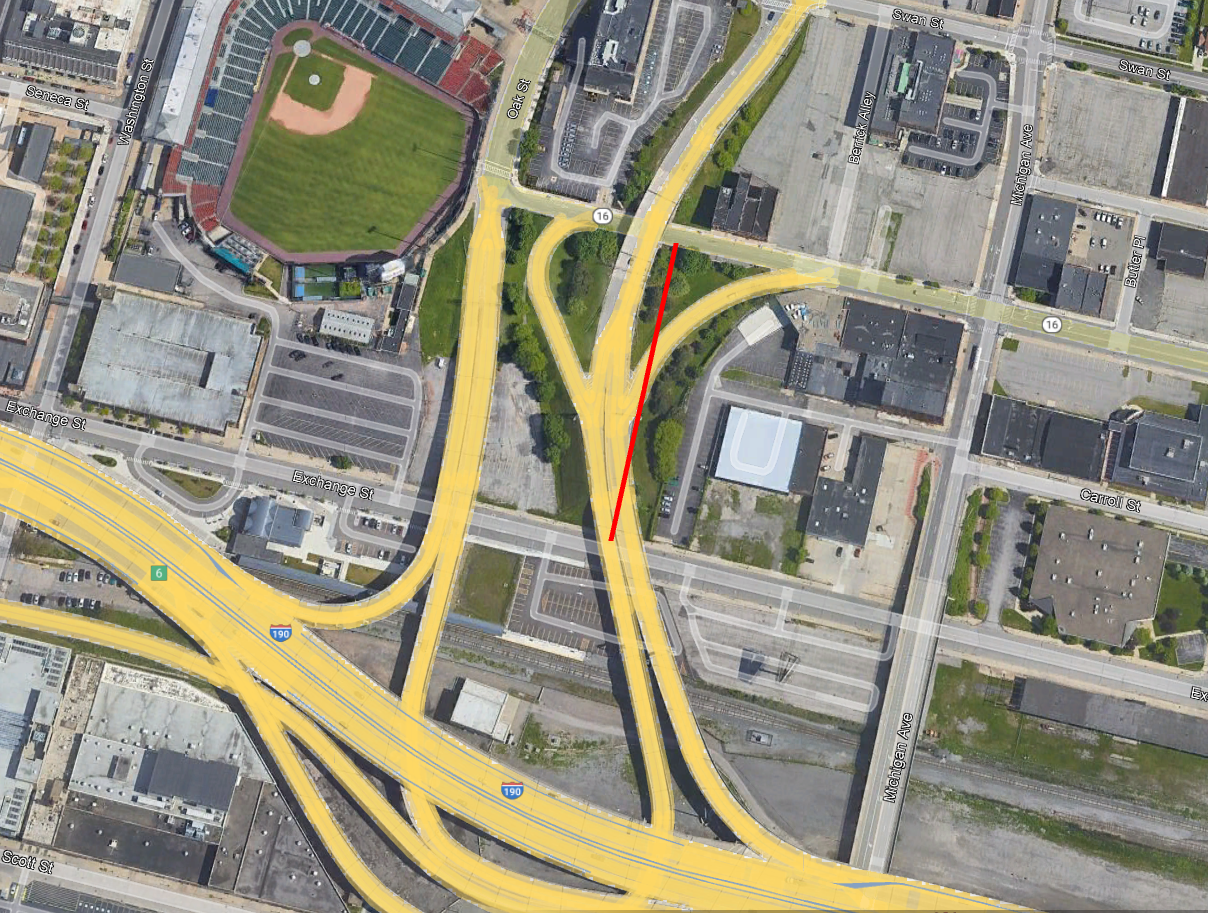
The former location of Wells Street is shown in red.

Wells Street is a street that is no longer extant in Downtown Buffalo.  It formerly ran for two blocks between Exchange and Seneca Street.  The former location of Wells Street is now hidden underneath the Elm Street exit ramps from the I-190.  Wells Street was once an important business center in Buffalo, serving both visitors and industry due to its location close to the railroads.

Many often believe that Wells Street is named after Henry Wells.  Henry Wells helped found Wells Fargo alongside William Fargo.  Henry Wells lived in Auhoorora in Cayuga County, New York.  Wells College is named for Henry Wells.  However, Wells Street here in Buffalo is named after Chandler J. Wells.  I could not find any relationship between Henry and Chandler, though they may be related many generations back.

The Early Life of Chandler Wells

The Buffalo Wells family – Joseph Wells and his wife Prudence – came to Buffalo around 1797 from Rhode Island.  There wasn’t much happening here in Buffalo, so they settled in Brantford, Ontario, where Prudence’s sister lived.  They came back to Buffalo around 1802.  Joseph and Prudence had their first son, Aldrich, in 1802 after returning to Buffalo.  Some reports say that Aldrich Wells was the first white male born in Buffalo, but there are several disputed claims to that title.  Joseph and Prudence had eleven children – six sons and five daughters.  Their seventh child, Chandler, is the namesake of the street.

Chandler_J_WellsChandler Joseph Wells was born in Utica, New York, in June 1814.  The Wells family had fled to Utica after the Burning of Buffalo on December 30, 1813.  During the War of 1812, Joseph Wells served as a Captain and later a Major in the militia.  Shortly after Chandler’s birth, the Wells family returned to Buffalo with baby Chandler.  The Wells family lived at 150 Swan Street.  In 1815, Joseph Wells built a tannery on Main Street near Allen Street, where he also operated a farm and made bricks.

Chandler attended private schools when he was young.  At age 17, Chandler became a joiner’s apprentice, finding employment with Benjamin Rathbun.  He later worked for John Drew, who saw potential in Mr. Wells and put him in charge of constructing a building at Pearl and Tupper Streets.

In 1835, Mr. Wells partnered with William Hart as contractors and builders.  The partnership lasted for twenty years, and they were very successful.  At one time, they owned three sawmills and built many buildings around Western New York.  Among their buildings were the State Arsenal on Broadway, built in 1857, and the Dart Mansion at Niagara and Georgia Streets.

Grain Elevator Entrepreuneur

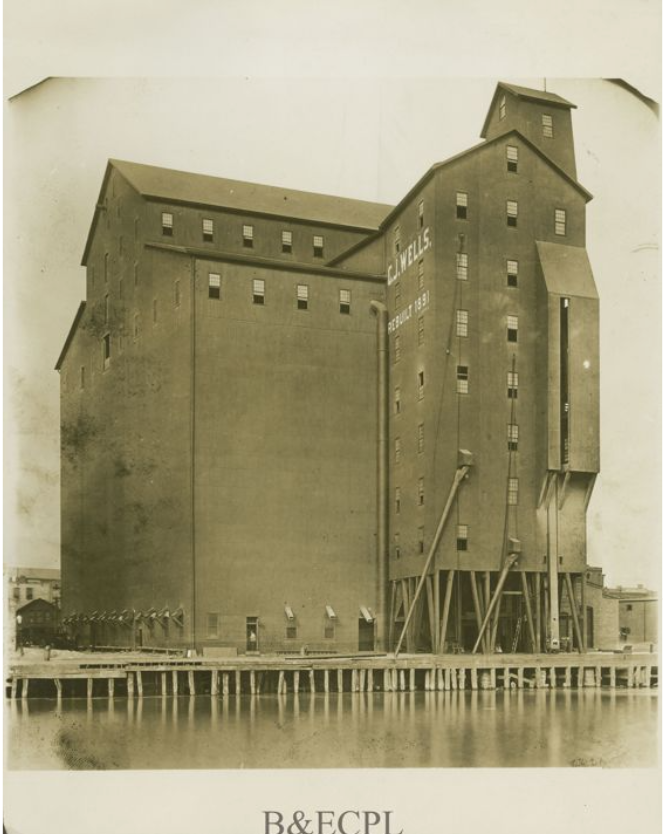
In 1857, Mr. Wells became interested in grain elevators.  His brother William was an elevator foreman.  Mr. Wells felt he could improve Joseph Dart’s elevator design.  The Wells Elevator was built in 1857-1858 and had a storage capacity of 100,000 bushels, double that of the Dart Elevator.  It could transfer nearly six times the amount of grain in an hour.  The elevator, known as the Wells Elevator (later became the Wheeler Elevator in 1884 and was replaced by the concrete Wheeler Elevator, constructed in 1909 and now part of Buffalo Riverworks), was located across the river from the New York Central Railroad freight house on Ohio Street.
wells

C.J. Wells Elevator, between Ohio and Indiana Streets…now the location of the DL&W Terminal. Source: Buffalo and Erie County Public Library.

In August 1860, Chandler Wells leased what was known as Coburn Square, located at Buffalo Creek, Ohio (now South Park Ave) and Indiana Streets.  He built the Coburn Elevator here.  It was destroyed by fire in 1863.  In September 1860, he built the CJ Wells Elevator to replace the Coburn Elevator on the site with some additional property he purchased.  The CJ Wells Elevator was built with stone, brick and lumber.  It was designed to be a model elevator of its day.  It had a capacity of 350,000 bushels and could elevate 8,000 bushels an hour.  The CJ Wells elevator burned down in 1912, and the DL&W Railroad Station was constructed on the site in 1917 (now the location of the NFTA Shops/Rail Yard).

Political Career of Chandler Wells

In 1854, Mr. Wells was elected Alderman for the 2nd Ward.  He was continuously elected for seven years.  In 1861, Wells was the unanimous Union Republican candidate for Mayor.  He was defeated by William Fargo, 6,431 to 5,986 votes.  In 1865, he was again named the Union Republican candidate, running again against William Fargo, who was looking to win his third term as mayor.  On November 7, 1865, Mr. Wells defeated Mr. Fargo 5,570 to 5,348.  On election night, a group of his supporters went to Mr. Wells’ Swan Street home and saluted him with a small cannon.

Mayor Wells was mayor during the Fenian Uprising in 1866.  Thousands of Fenians gathered in Buffalo, planning to enter Canada and destroy the Welland Canal, which would have crippled the Canadian trade.  Mayor Wells kept the mayors of Hamilton and Toronto informed of the movements of the Fenians.  General Grant arrived on the Battleship Michigan to guard the Niagara River.  The situation lasted for about a week.

In September 1866, General Ulysses S Grant, President Andrew Johnson and other dignitaries were guests at Mayor Wells’ home.  Mayor Wells did not seek a second term in office, deciding instead to retire.  Following his retirement, Mayor Wells served as commissioner of the first Board of Water Commissioners and held the position for six years.  During his time on the Board, the inlet pier and tunnel were built for Buffalo Water Works.  Many people at the time opposed the plan for the waterworks, thinking it impractical.  Mayor Wells threw his time and money into the project and worked hard to get the water system built.  The City later saw the value in the water inlet, and Mr. Wells was reimbursed for his expenses.  He is sometimes referred to as “the father of the waterworks.”

Chandler Wells also served as a founder and director of the Erie County Savings Bank, the Young Men’s Association, the Buffalo Historical Society, the Falconwood and Beaver Island Clubs, and the Buffalo Club.  Mayor Wells was also fond of horses.  He helped found the Buffalo Driving Park, one of the first organizations of its kind (horse-driving, not car-driving, FYI), and served as President for 15 years.  Mr. Wells was a founding member of the Board of the Buffalo Juvenile Asylum in 1856.  In 1862, Mr. Wells helped organize the Buffalo Academy of Fine Arts (now the AKG Museum).

The Wells Family
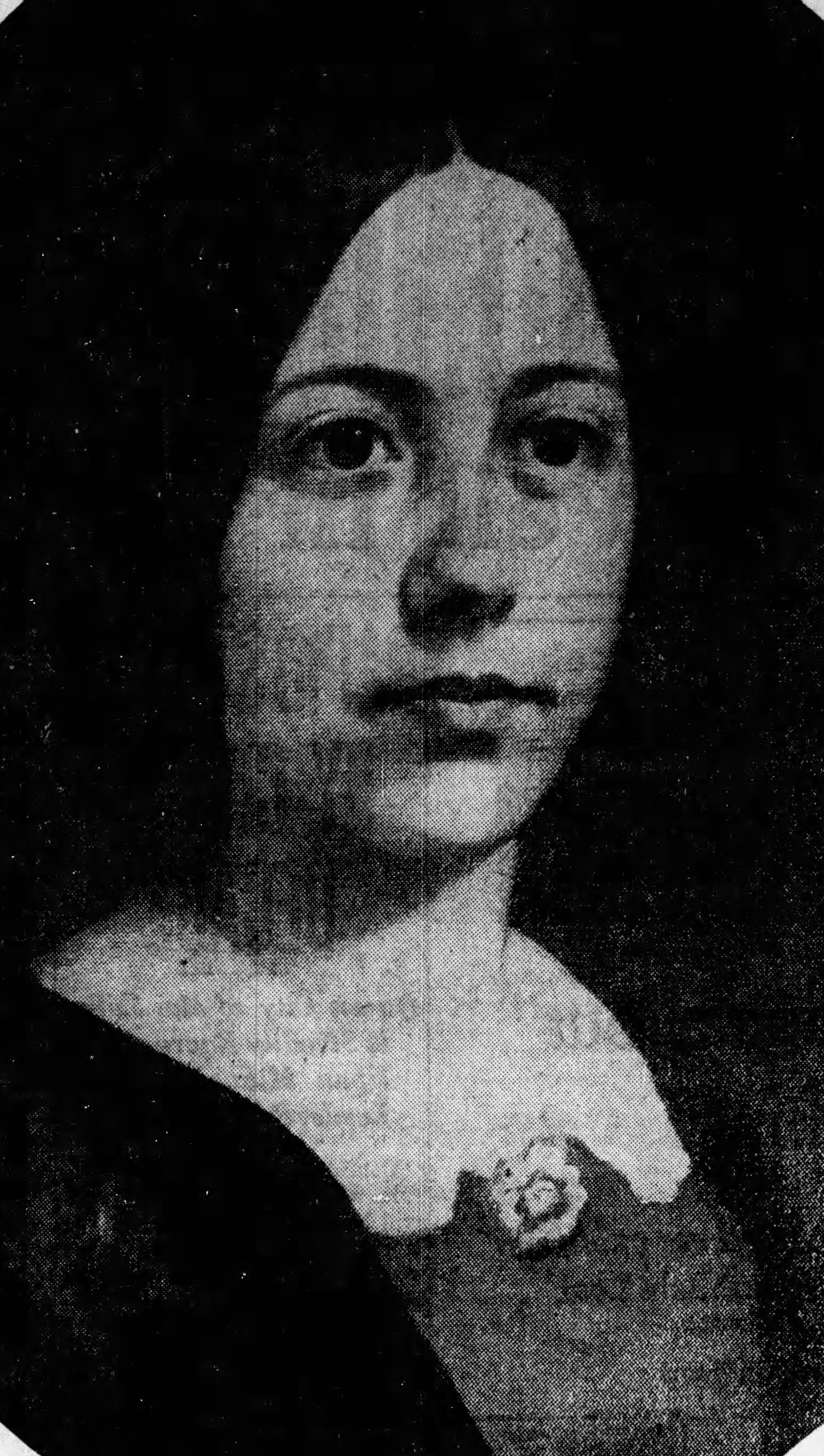
Elizabeth_Wells_daughter_of_Chandler_Wells

Portrait of Elizabeth Wells, daughter of Chandler. Source: Buffalo Times.

Mr. Wells married Susan Wheeler in April 1837.   The Wells had two children.  The first, Theodore, died after just six weeks in 1838.  The second child, daughter Elizabeth, died of Cholera in 1854 at age 16.  Her death was one of the reasons Chandler Wells cared so deeply about clean water and invested in the waterworks.  After the death of their daughter, Susan and Chandler’s niece, Lucy Ann Wells, lived with them.  Lucy was the daughter of Chandler’s brother, John.  Lucy got married in 1847 to Merrit W Green.  Lucy and Merrit had two daughters – Jeannie and Elizabeth.  Jeannie and Elizabeth were Chandler and Susan’s grand-nieces, but they were eventually adopted by Chandler and Susan when their parents moved to Michigan.  Jeannie and Elizabeth took the Wells name and were treated as a part of the Wells family.

In 1858, the Wells family built a red brick house at 77 Swan Street (near Oak Street).  At the time, Swan Street was the fashionable neighborhood of Buffalo, but eventually, the street changed to a business district; many families began to move to places like Delaware Avenue.  In the 1860s, the Wells Family built a house at 685 Main Street.  The house on Main Street is now the location of Town Ballroom.  In 1860, the family lived with servants Mary Ann Higgins, a 12-year-old girl, and Fanny Castillo, a 20-year-old woman who worked as a cook.  In 1870, Fanny was still working for the family as a cook, along with Eliza Killian, a 21-year-old domestic servant.   In 1880, Fanny was still working for the family, along with 30-year-old Margaret O’Brien.

Chandler_Wells_house_Swan_Street

Chandler Wells House on Swan Street. Source: Buffalo Times.


Chandler_Wells_house_on_Main_Street

Chandler Wells House on Main Street near Tupper. Source: Buffalo Times.


45247262_d8855dde-5367-431f-b369-6a1e44ece639

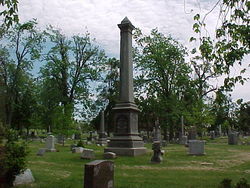
Mayor Wells Grave in Forest Lawn.

Mayor Wells died on February 4, 1887, after suffering from rheumatism of the heart for more than 13 weeks.  His obituary in the Buffalo News called him “a man of quick perceptions, rare judgment and unflinching integrity, with energy and perseverance far beyond the average; a bluff and outspoken manner to strangers, behind which, however, lay a heart good humor and a kindly generous heart.”  He is buried in Forest Lawn Cemetery.  Mrs. Wells died in October 1892.  The house at 685 Main Street was sold in February 1893 to the “Business Mens Investment Association.”  The house was rented out to Dr. L. E. DeCouriander and became the Buffalo Sanitorium/Invalids’ Hotel.  The former house site is now the location of Town Ballroom.

The Great Wells Street Fire of 1889

In 1889, Wells Street was the scene of a large fire.  The fire was reported as having “no parallel in the history of the Queen City of the Lakes,” measured in magnitude by the area of the burned district, by monetary loss, and by difficulty in slowing the flames.  Newspapers reported that the only fire worse was when all of Buffalo was burned to the ground during the War of 1812.  The 1889 fire affected Wells Street, Seneca Street, Carroll Street and Exchange Street.  This area was a major business center for Buffalo at the time.  Due to its location close to the railroad stations, it was a location for several well-known hotels and lodging facilities, as well as industry that used the rail, since it was close to the depots.
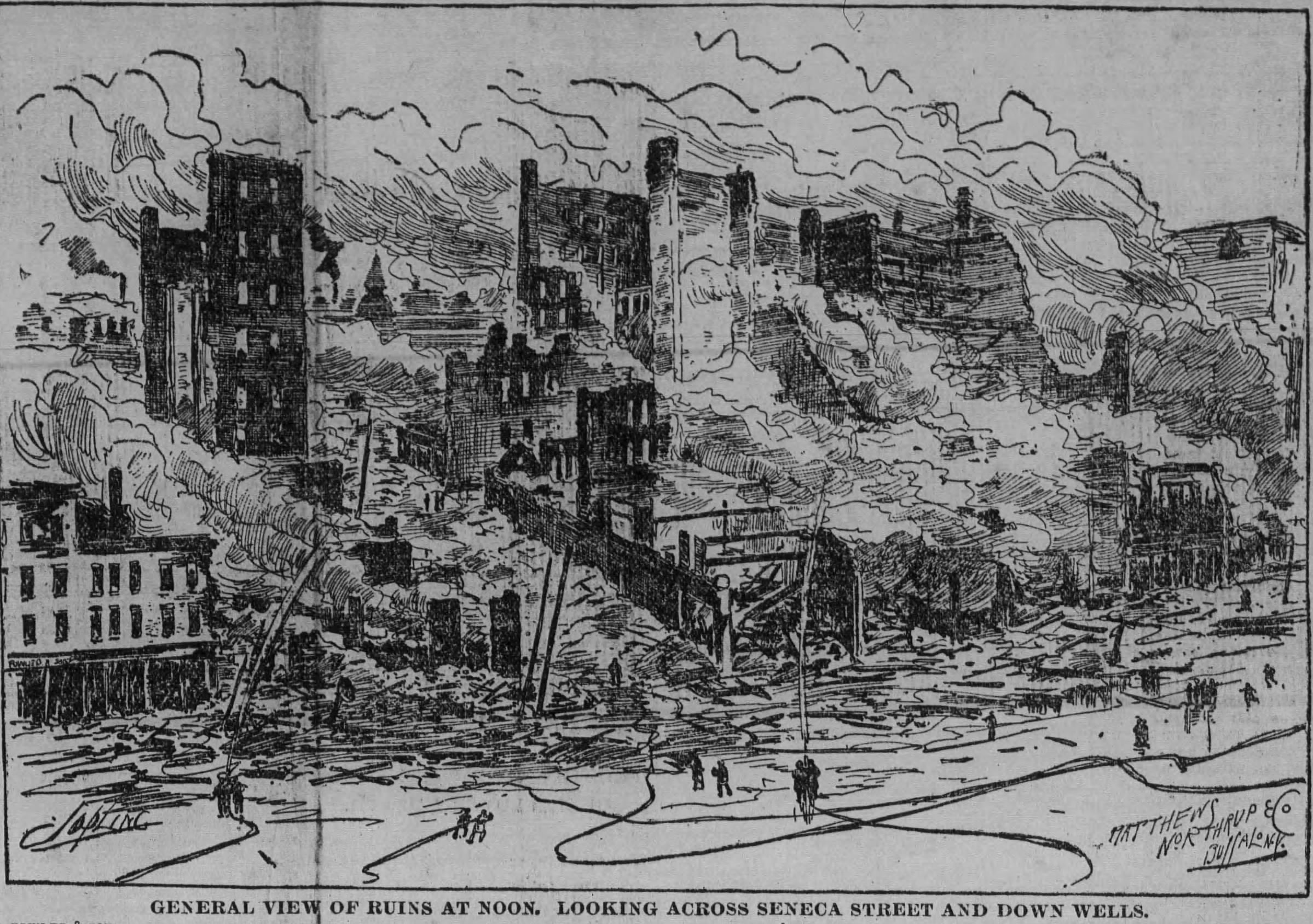
Fire_on_Wells_Street

Sketch of the Wells Street Fire after Burning for more than 12 hours

The fire broke out at 2:45am on February 2nd, 1889.  A night watchman saw flames on the fourth floor of the Root & Keating Building and sounded the alarm.  The wind quickly spread the fire to the surrounding buildings.  The flames were so high they could reportedly be seen as far away as North Street.  Strong winds helped the fire to spread quickly and caused a great deal of destruction.  The fire did an estimated $2.0 to $3.0 Million in damage ($68 Million to $102 Million in today’s dollars).
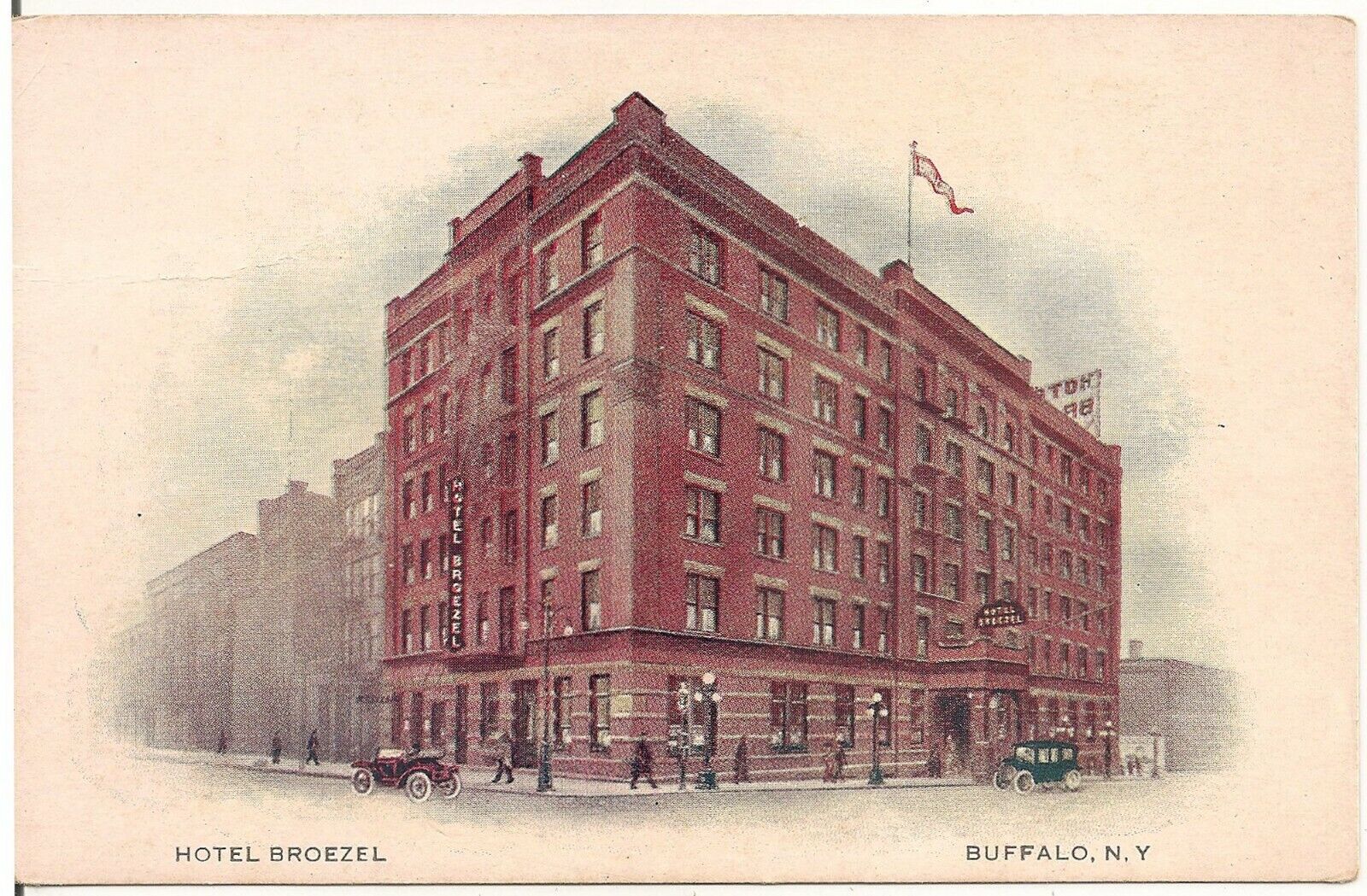
s-l1600

Postcard of Hotel Broezel located at the northeast corner of Wells and Carroll Streets

Guests at the Broezel House and the Arlington, two of the city’s better-known hotels, were able to escape just moments before the hotels went up in flames.  Within an hour, all of Wells Street was a mass of flaming ruins.

Forty buildings were damaged by the fire, with many destroyed entirely.  The tallest of the burned structures was the seven-story Hoffeld Building on Carroll Street.  Most of the buildings in the area were 4 to 5 stories tall.  Major Buildings/Businesses that burned included Zingsheim & Wile Clothing, Hoffeld & Co Soap and Leather, Moffatt & Bros Shoe Factory, Goldstein Boots & Shoes, A.T. Herr & Co Liquors, SS Jewett & Co Stoves and Ranges, Swift & Stantback Stoves and Tinwares, Reynolds Boots and Shoes, Campbell Hats and Caps, Sibley & Holmwood Candy Factory, Root & Keating Leather, Dentsch & Schauroth Boots and Shoes Factory, Schantz Button Factory, Hoffeld & Co Leather Belting, Anderson Harness Company, Zimmerman Saloon and Boarding House, Sheehan, French & McCarthy Saloon & Restaurant, Byers Saloon, Arlington Hotel, Grant Coffee & Spice Mill, American Express Supply Department, Broezel House Saloon and Boarding House, Egan Liquors, Ruslander Clothing, Fowler & Son Carriage and Woodwork, Churchill & Sons Groceries, Robertson Hats and Caps, Hearne Confectionary, Deuther Picture Frame Manufacturing Company, Donaldsons Stoves, S. Cohen Hats & Caps, Barmon Dry Goods and Millinery, Pinkel Dye Works, Wechter Furnishings, Brown Fancy Goods and MIllinery, Spencer & Co Tailor and the Wells Street Chapel.
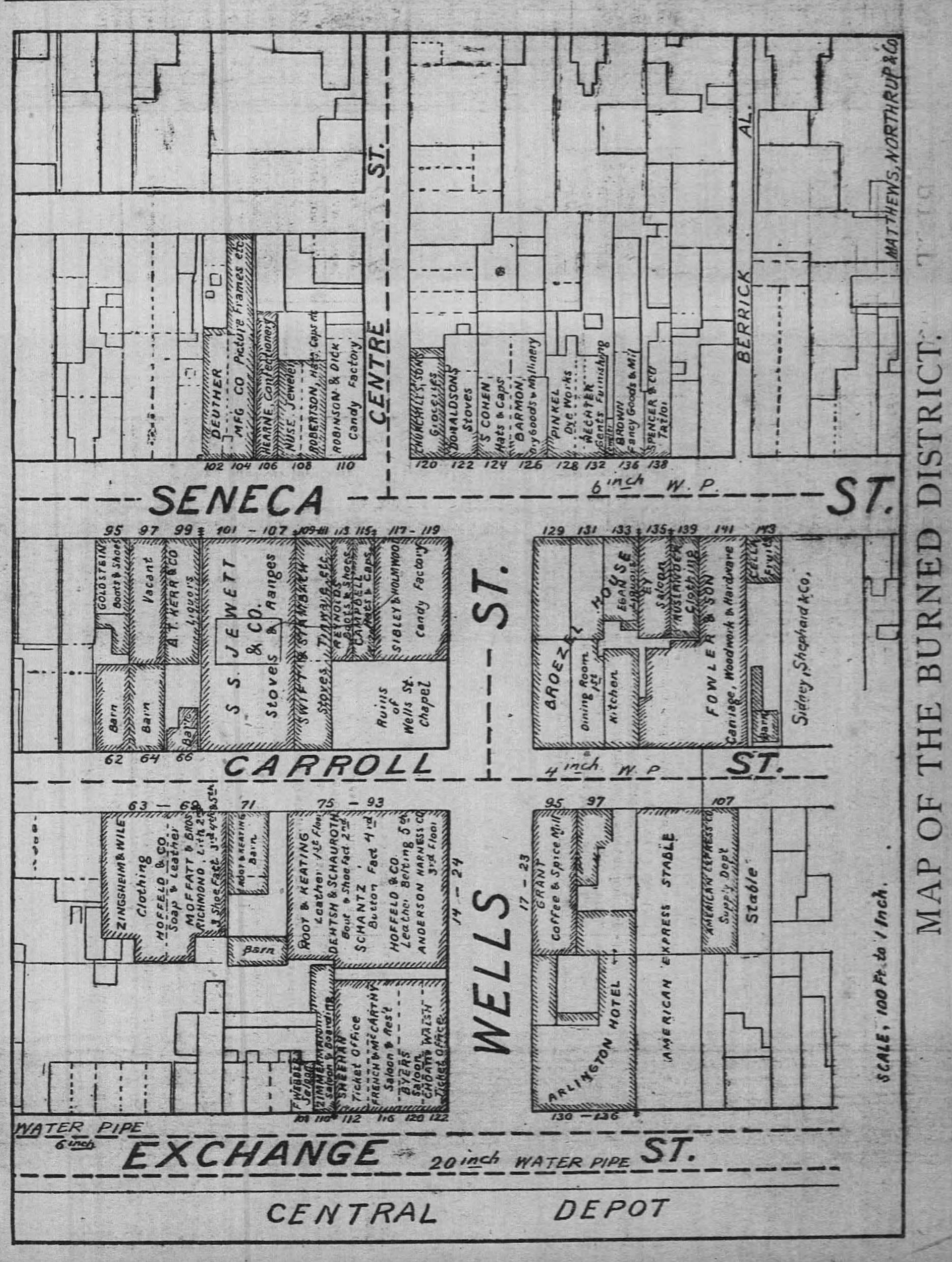
map_of_burned_district_wells_street_fire

Map of the Burned District of destroyed buildings after the Wells Street Fire. Source: Buffalo Express.
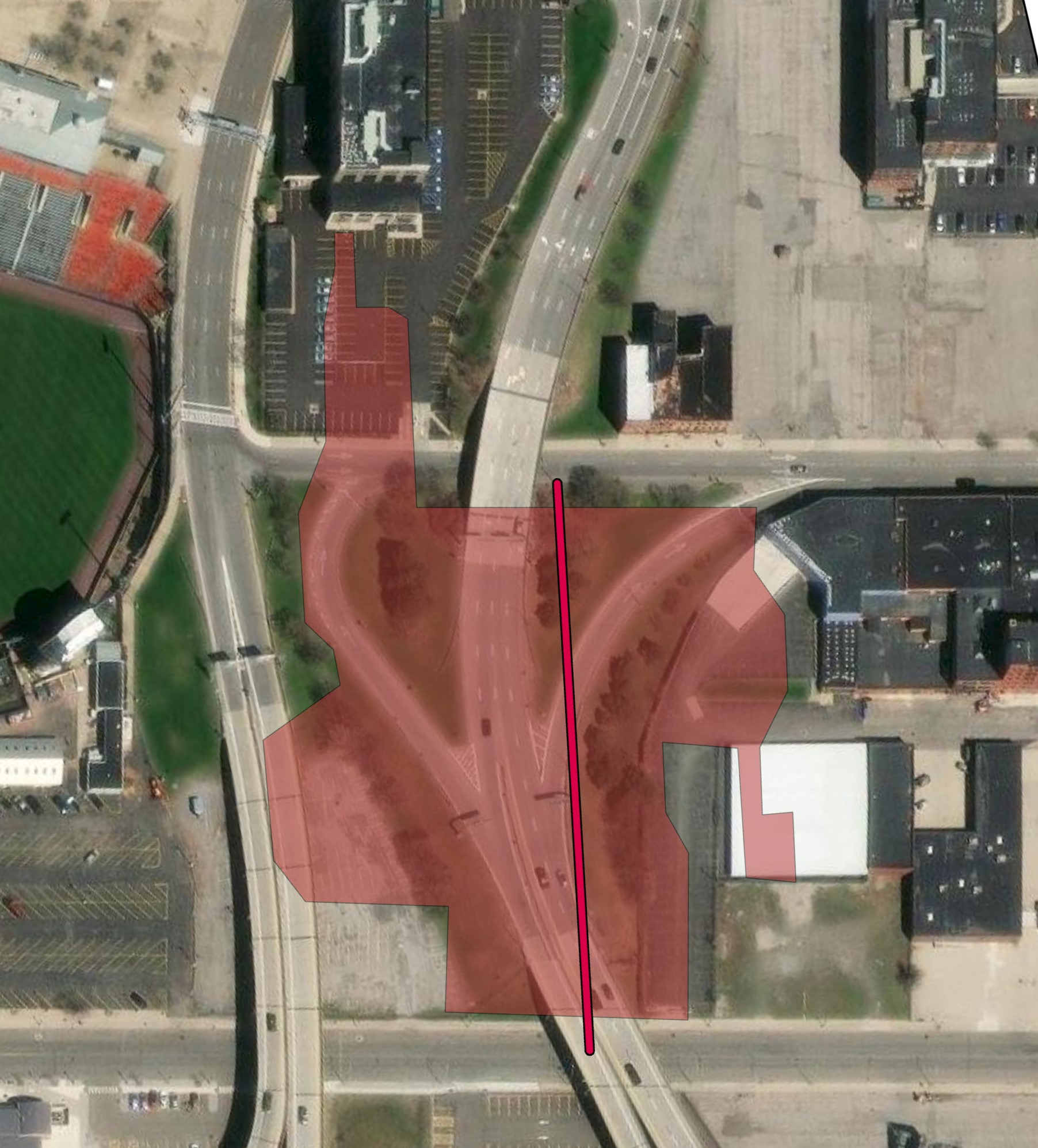
 

wells street fire

Modern view of the burned district and Wells Street, both shown in red.

News of the fire was reported in newspapers across the country.  The fire began to be referred to as “the Great Wells Street Fire” or “the Great Seneca Street Fire.”  At least 20 people were injured during the fire – mostly firemen.  One fireman, Richard Marion, was trapped under fallen bricks in the Hotel Arlington when it collapsed and lost his life during the fire.  It took six hours to dig his body out of the debris.  Miraculously, no one else was killed.  Fire Chief Fred Hornung’s arm was nearly severed by a falling plate glass window.  It was estimated that 1,000 people were put out of work by the fire.  It took several weeks to clear the debris and reopen Wells Street after the fire.  Some businesses rebuilt, and some decided not to.  Hotel Broezel was rebuilt; the Hotel Arlington was not.  By August, the Buffalo News reported that the Seneca Street Burnt District was “building up better than ever.”  The Buffalo Sunday Morning News reported the day after the fire, “One beauty about Buffalo’s fires is this: there is a phoenix goes with every one of them.”
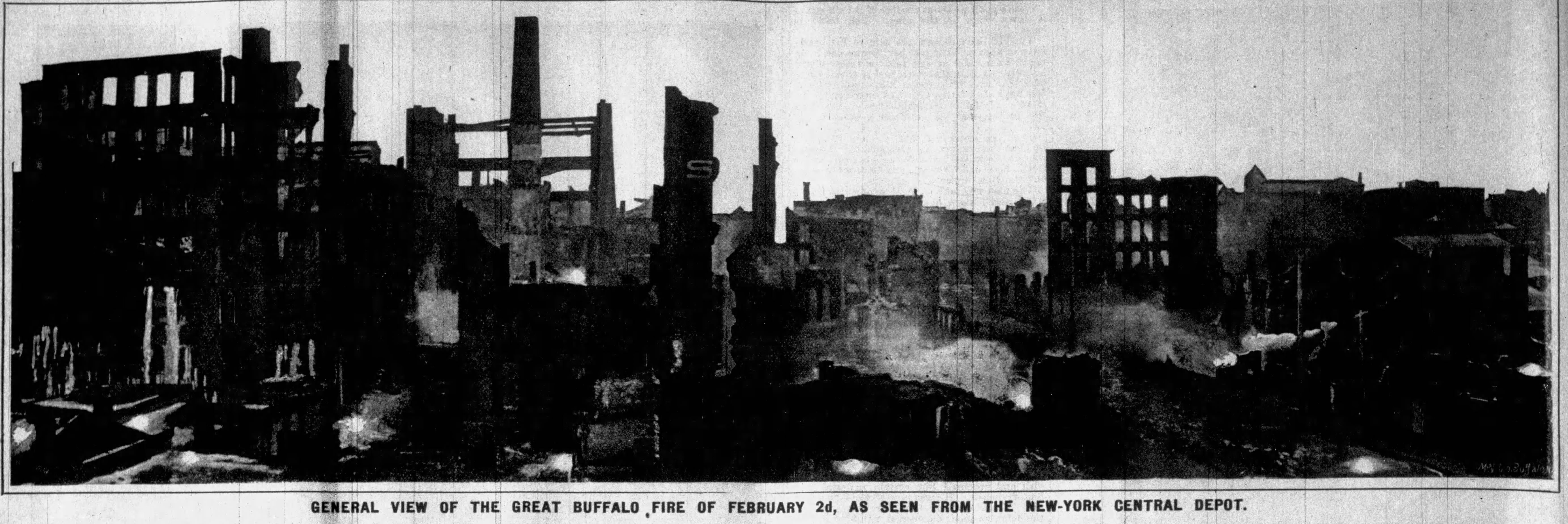
view_after_the_fire

View after the fire, Feb 10, 1889. Source: Buffalo Courier Express.

The Buffalo Fire Department referred to the Fire Alarm Box 29 at Wells and Seneca Street as the “Hoodoo Box” because it was believed to be cursed.  Several fires broke out in the area besides the Great Wells Street Fire of 1889.  In 1874, Fireman John D Mitchell was crushed to death by falling bricks at the Red Jacket Hotel fire.  In 1880, a fire occurred at the furniture factory on Carroll Street at Wells. In January 1907, a fire started at the 8-story brick Seneca Building at 103-107 Seneca Street.  Originally built as a hotel, the building had been converted into offices and a pawnshop. While fighting the fire, a collapsing wall trapped more than 20 firemen.  It took hours to rescue them.  Three firemen died – Lt William J. Naughton, Stephen E. Meegan and John R. Henky.  Another fire in 1913 at Box 29 sent two firemen to the hospital with smoke inhalation.  After so many fires at Box 29, the National Board of Fire Underwriters and insurance companies looked into the reason for so many fires in the area.  They concluded the fires were only coincidental that their location was so prevalent, determining it was due to the many factories and hazards in the area.

The area around Exchange, Wells, and Carroll Streets began to decline significantly once the NY Central Station on Exchange Street closed in 1929.  Exchange Street, once one of the most important thoroughfares, lost most of its businesses and became a ghost town after the railroad moved to Central Terminal in the Broadway Fillmore neighborhood.  Despite so many changes to the area by urban renewal projects, the “hoodoo” firebox 29 is still on Seneca Street and can be seen near where the intersection of Wells would have been.  

In 1978, Wells Street was acquired by the State of New York for the construction of the Elm Oak Arterial Highway.  Wells Street disappeared from Buffalo.  The next time you head downtown via Elm Street, you’ll be driving right over where Wells Street once was located.  When you take that ramp, think of Chandler Wells and be thankful that he fought for our water system and gave us clean drinking water.  And remember the commercial district that once existed there, wiped away by fire, urban renewal, and time.

I’ve scheduled some tours for this summer.  You can view the dates at this link: buffalostreets.com/2024/06/27/free-downtown-history-walking-tours-2/

Want to learn about other streets? Check out the Street Index. Don’t forget to subscribe to the page to be notified when new posts are made. You can do so by entering your email address in the box on the upper right-hand side of the home page. You can also follow the blog on Facebook. If you enjoy the blog, please share it with your friends; It really does help!

Sources:

  • Smith, H. Katherine.  “Wells Street a Mayor’s Memorial.”  Buffalo Courier Express.  January 15, 1939, p12.
  • “Buffalo Juvenile Asylum- Meeting Last Evening.”  Buffalo Daily Dispatch.  December 27, 1856, p2.
  • “Married”.  Buffalo Daily Commercial.  April 21, 1837, p2.
  • “Chandler J. Wells:  A Useful Life Ended.”  Buffalo News.  February 4, 1887, p1.
  • “Death of Chandler J. Wells.”  Buffalo Times.  February 4, 1887, p1.
  • Sheldon, Grace Carew.  “Wells Earned Title of Reconstruction Mayor by his Deeds in Office.”  Buffalo Times.  October 5, 1919, p50.
  • Burr, Kate.  “The Mansion that Housed a President.”  Buffalo Times.  June 27, 1926, p14.
  • “Unequaled:  A Great Business Center Burned.”  Buffalo Weekly Express.  February 7, 1889, p1.
  • Ditzel, Paul.  “The Hoodoo Box”.  Buffalo News.  May 15, 1983, p195.
  • “Notice of Appropriation of Property”.  Buffalo News.  June 14, 1978, p67.
  • “Buffalo Has A Big Fire.”  The New York Times.  February 3, 1889, p1.
  • “Extra! Fire! The Worst Buffalo Has Ever Had.”  Buffalo News.  February 2, 1889, p1.
  • “Beginning to Clear Up.”  Buffalo Courier Express.  February 12, 1889, p5.
  • “Well It Was Done.”  Buffalo Commercial.  February 21, 1889, p3.
  • “Where the Ruins Were.”  Buffalo News.  August 13, 1889, p10.
  • “Wells Residence Sold.”  Buffalo News.  February 24, 1893, p13.

Read Full Post »

Screenshot (46)

Fuhrmann Boulevard shown in red on map

Fuhrmann Boulevard is a street (the main street) on the Outer Harbor of Buffalo.  As we wrap up summer on Labor Day Weekend, perhaps you spent some time on Fuhrmann Blvd as you enjoyed the waterfront this summer. The street has had several configurations over time and exists today as the road that runs to the south of the elevate portion of Route 5 on the Outer Harbor.  The road was first built in 1935 and is named after Mayor Fuhrmann, who was instrumental in getting it built by securing the land on the Outer Harbor.

06fuhrmann

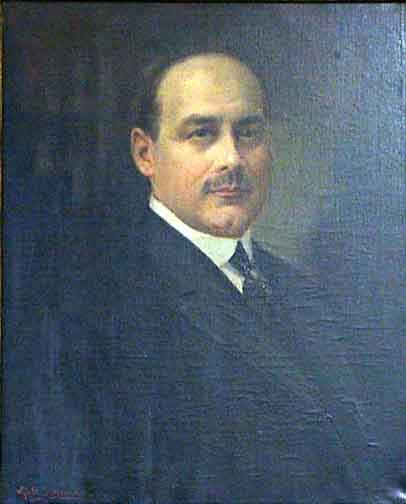
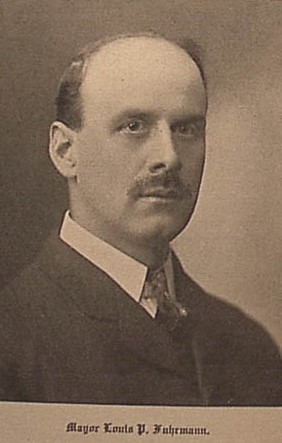
Louis Fuhrmann Mayoral Portrait

Louis P. Fuhrmann was born on the East Side on November 7, 1868 to Philip and Elisabeth Fuhrmann, who had emigrated from Bavaria.  The family lived on Clinton Street in the South Ellicott neighborhood of the near East Side, near Bennett Park.  Louis’ father owned and operated a barber shop on Genesee Street near Ellicott Street.  Louis was educated in Buffalo Public Schools – PS 32 on Cedar Street and Central High School.  While he was in school, he worked on weekends in the meat business as a butcher boy for Christian Klinck in the Elk Street Market.  After high school graduation, he was given a full time job and remained in the meat business his whole life.  Since he had so much experience, he was quickly hired to work in the wholesale beef business in the Jacob Dold Packing Company.  He was placed in charge of the Jacob Dold Packing Company’s Kansas City plant at the age of 18 years old.  After six years in Kansas City, he was homesick for his hometown.  He returned to Buffalo in 1892 to open his own business, the Louis P Fuhrmann Packing House, located at 1010 Clinton Street.

Louis Fuhrmann had a reluctant entry into politics. His first bid for public office was in 1905, when he was convinced to run for Alderman in the old Sixth Ward.  He was elected and re-elected two years later.  He quickly grew to be a leader in government.  He was such a popular Alderman that when Mayor J.N. Adam went out of town for month-long trips home to Scotland, he left Mr. Fuhrmann in charge as Acting Mayor for several years in a row.  He was well known around town and well respected for his business savvy and government experience.  He was referred to as “Louis Fuhrmann, the Progressive.”

In 1909, he ran as the Democratic candidate for Mayor.  The election was hotly contested, with Louis Fuhrmann up against a strong Republican candidate Jacob Siegrist.  At first, The Buffalo News published an Extra Edition at 6pm to announce that Siegrist was the next mayor.

Siegrist the Next Mayor

Buffalo Evening News. 6pm Extra Edition. November 2, 1909. Headline declaring Siegrist the Next Mayor.

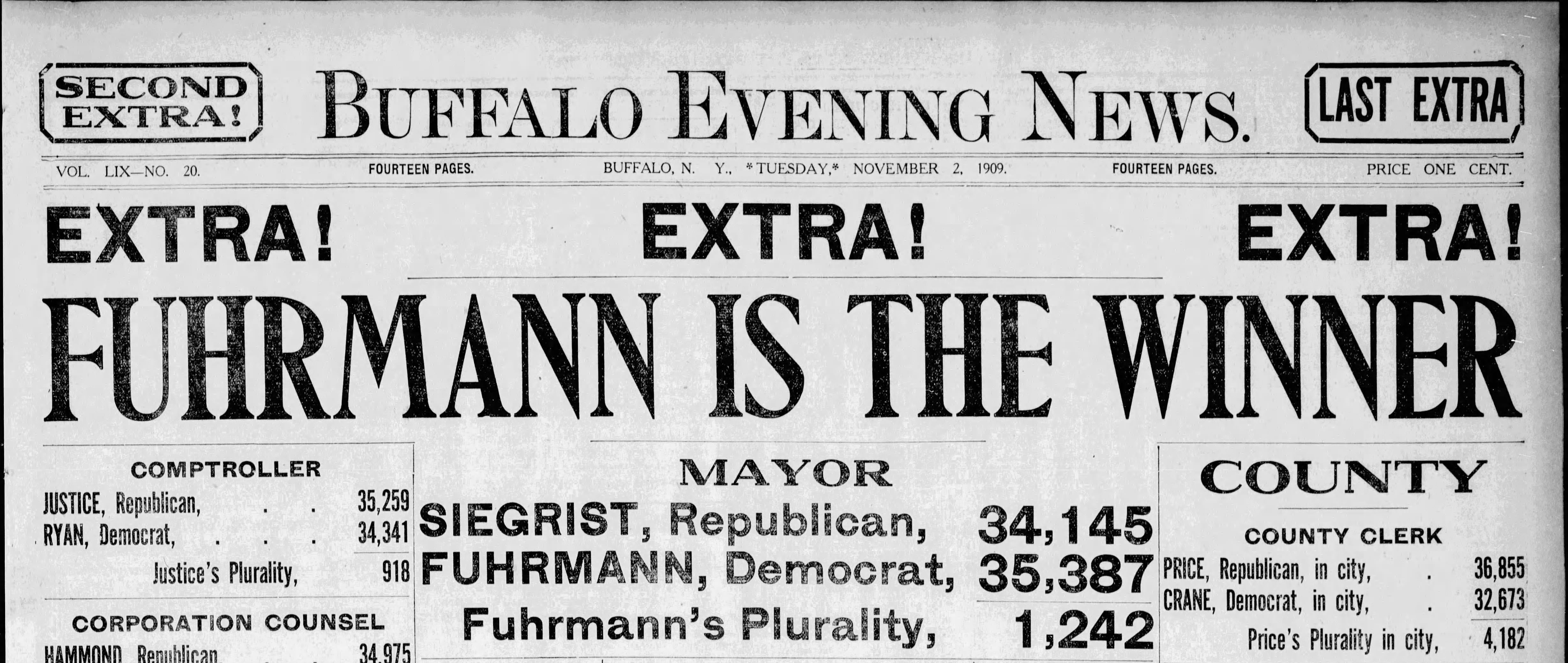
In an episode similar to that famous “Dewey Beats Truman” headlines…. ballots continued to be counted and the Buffalo News had to issue a Second Extra Edition when it became clear that Fuhrmann won!  It was reported, “when Louis Fuhrmann was elected the Mayor of Buffalo no one received a greater shock than he did.”  Republicans had swept all the rest of the seats across the City and County, other than Fuhrmann, a Democrat.  Mayor Fuhrmann was the first Mayor born and raised in Buffalo.  His mayoral office was also the first to be lit by electricity rather than gas.

Fuhrmann is the Winner

Buffalo Evening News. Second Extra Edition, November 2, 1909. Headline declaring Fuhrmann is the winner.

While Mayor Fuhrmann was in office, a major issue in Buffalo was the “Sea Wall Strip”.  This is land along the lakeshore, which today we call “The Outer Harbor”.  The questions surrounding the Strip included who owned the land and what was happening with the Hamburg Turnpike (now Route 5).  For more than 50 years, there had been more questions regarding the Strip than answers.  Shortly after election, Mayor Fuhrmann began working on the issue.  The feeling at the time was that Buffalo needed bigger facilities in order to grow, including harbor improvements – new docks, new slips and a new highway that was planned to connect Buffalo with Cleveland via the Hamburg Turnpike.

seawall strip 1889

View of the Seawall Strip from 1889. You can see how narrow some portions of the Outer Harbor was before much of the fill was added to expand the land. Source:  Buffalo Library via New York Heritage

13-01

Map showing slips and adjuncts of the Erie Canal at Buffalo. Source: History of the Canal System of New York State.

The City of Buffalo’s waterfront has been modified a great deal since the Buffalo was founded.  Building the harbor break walls, the Erie Canal and other canal slips and many other modifications over time would probably make today’s waterfront unrecognizable to those early settlers who first arrived here. Much of the Outer Harbor land has been created over time by landfill.  The “Outer Harbor” essentially was created when the Blackwell Canal was constructed in 1850.  It was built by E.R. Blackwell, who ran out of money to complete it, and so it was renamed the City Ship Canal in 1853. The City Ship Canal allowed ships to have additional areas to dock and opened up more land for waterfront access.  Additional canal slips connected the Buffalo River and the City Ship Canal, further increasing waterfront access.  This also created what is known as Kelly Island, which is technically a peninsula.  The Island is the land where General Mills and Riverworks is now; Ganson Street runs through the middle of Kelly’s Island.  In 1883, the City Ship Canal was extended to allow the Buffalo Creek Railway Company to create a series of canal slips at what we now call Tifft Farms (Lake Kirsty is remnants of those canal slips).  The City Ship Canal was partially filled in during the 1950s when Ohio Street was changed and Fuhrmann Blvd was elevated (more on that later).

The Sea Wall Strip was the land on the Outer Harbor from where Ohio Street meets the Outer Harbor north.  The Sea Wall Strip was permitted by Congress in 1837 and construction began in 1841.  In 1859, the City was authorized to construct a breakwater, but was not given the power to take land.  In 1864, the City was empowered to use condemnation proceedings to take the strip of land known as the Sea Wall Strip.  The Hamburg Turnpike ran along the Outer Harbor from Ohio Street to the City Line.  In 1874, the City acquires the Hamburg Turnpike from the Hamburg Turnpike Company.  By the 1870s, railroads crisscrossed around the waterfront.  In 1899, the Mayor created a harbor commission to investigate the disputed rights and title of who owned the Sea-Wall Strip and the Hamburg Turnpike.  In 1900, the Commission declared that the City owned the Hamburg Turnpike with a width of six rods (99 feet).  The Railroads claimed that they only owned four rods (66 feet).

erie street

1894 shoreline and canals shown overlaid in blue over modern aerial photograph. Map by Author.

Calls for beautifying the Turnpike and Seawall Strip came as early as 1902.  Planning began to build design an elevated highway that was similar to a road along the Potomac River and Anacostia Creek in Washington, DC.  The elevated route in Buffalo was to include a railing along the roadway, with trolley tracks running alongside the road and sidewalks for pedestrians.  Below the roadway would be arches where railroads could cross under the road to access the industrial plants, elevators, etc., along the road.  The road was to be the main connection between the City of Buffalo core and the Stony Point Industries being planned for opening that year.  Stony Point Industries was an early name for the steel plant and affiliated businesses that became Lackawanna Steel and later Bethlehem Steel.  The roadway project never happened because of the ownership issue.

There was a lot of back and forth judgements in court until in April 1911, the railroad agrees to drop the appeals and exchange the rights and the disputed titles, so the City of Buffalo finally owned the Sea-Wall Strip and the Hamburg Turnpike.  This would allow the ability to build a new bridge at Ohio Street for better clearance for vessels.   This also allowed them to relocate Tifft Street and Ganson Street to improve harbor facilities.  They also received 500 feet at the foot of South Michigan Street.

e1e0c476a660c7c1a09d05a2d2542ddf

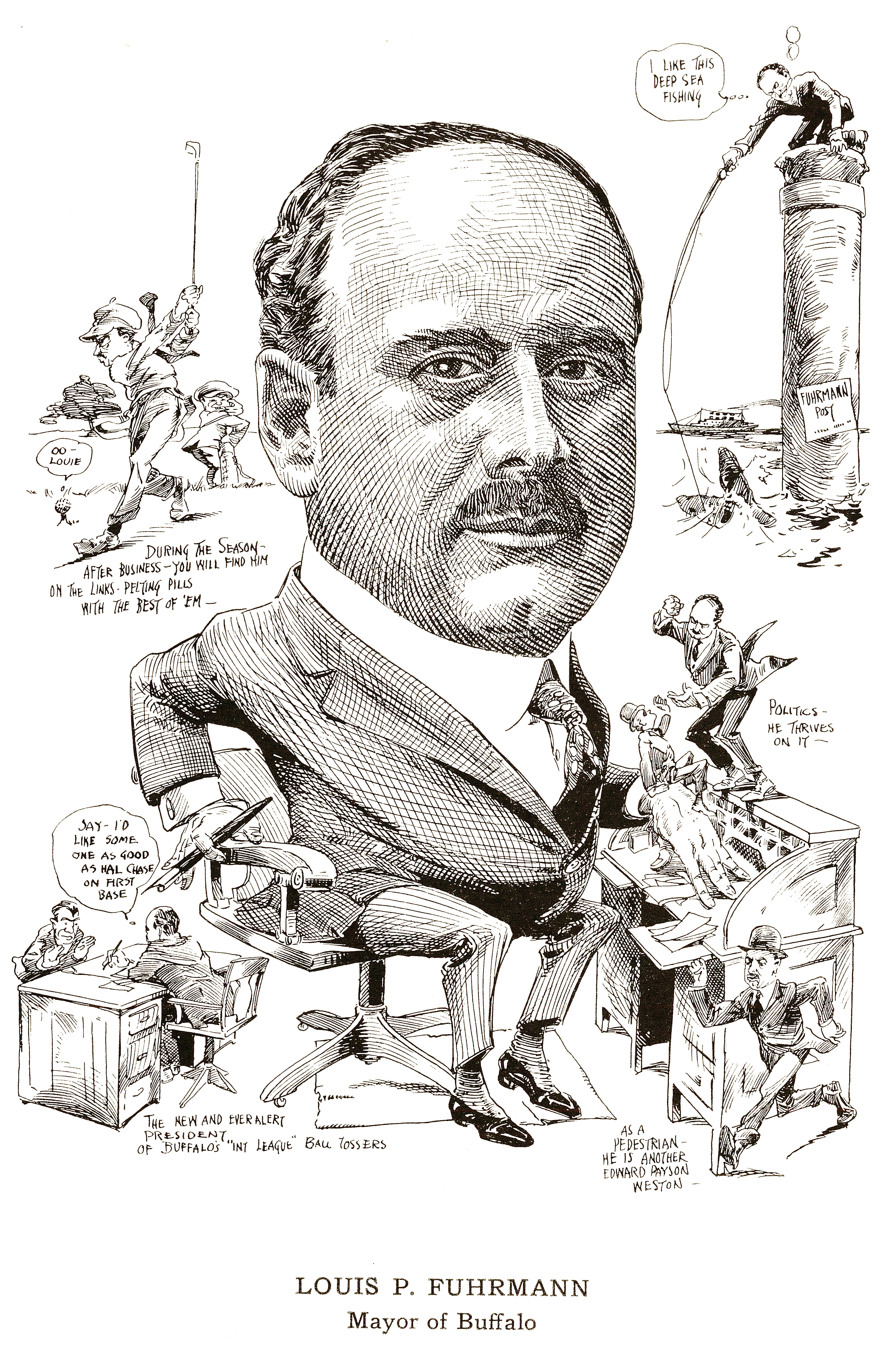
Associated Buffalo Artists, “Louis P. Fuhrmann: Mayor of Buffalo,” from 1913. Source: Digital Collections – University at Buffalo Libraries, accessed February 13, 2023, https://digital.lib.buffalo.edu/index.php/items/show/78476.

It was reported that Mayor Fuhrmann was successful in winning the Sea Will Strip for the City, because “he is a big man mentally, as well as physically.  He has no petty notions to obscure his vision.  He has imagination and he is fearless and free.”  He was able to settle what had been “juggled, misappropriated, pawned, fought over, blanketed, buried and resurrected for a half century.”

Mayor Fuhrmann ran again for mayor in 1913.  The Democratic Party felt he was too independent and endorsed Edward J Meyer instead.  Meyer’s name may be familiar to you as the name of Erie County Medical Center (ECMC) was Edward J Meyer Memorial Hospital until 1978.  Mayor Fuhrmann won the primary contest overwhelmingly and went on to also beat both Thomas Stoddart from the Citizen’s Party and John Lord O’Brian from the Republican Party in the General Election.  During his second mayoral term, WWI broke out.  Mayor Fuhrmann was active in shaping the city’s contributions in men, money and munitions to the war effort.

Elk_Street_Decorated

Elk Street decorated for St. Patrick’s Day 1915. Source: Buffalo News.

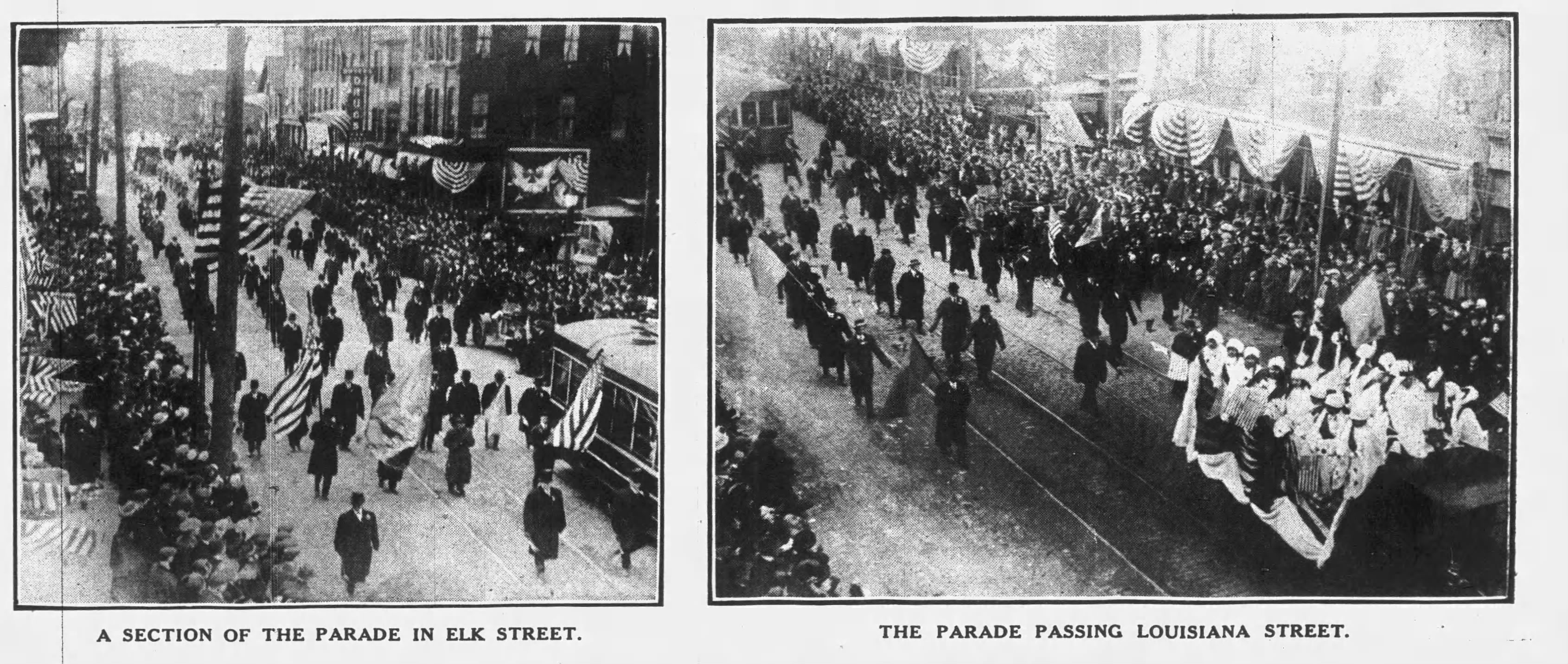
In 1915, Mayor Fuhrmann helped bring a St. Patrick’s Day parade back to Buffalo after 27 years!  Some sources hint that Mayor Fuhrmann was trying to distance himself from the rising anti-German sentiment that was rising in Buffalo as WWI was happening in Europe by supporting the Irish groups efforts for the parade. The parade in the 1880s would march up Main Street from the Liberty Pole at the Terrace to Cold Spring (around Main and Ferry)  and was led by the Hibernians and the Knights of Columbkill.  The 1915 parade started from Chicago and Fulton Streets at 2:30pm on Wednesday March 17th.  The movement for the a parade began with the Gaelic-American Association of the First Ward, an organization that had 600 members that were all born in Ireland.  The Elk Street Businessmen’s Association took charge of the idea and the result became one of the largest St. Patrick Day celebrations Buffalo had ever seen.  The idea had only come about a month before St. Patrick’s Day, and more than 1500 Irish-Americans were involved in the planning of the parade, meeting at St. Bridget’s, at the corner of Fulton and Louisiana Streets, near where the parade started.  More than 30 churches were represented during the planning for the parade, many different organizations and 11 churches marched in the parade – St. Brigid’s, St Stephen’s, Perpetual Help, St. Teresa’s, St. Monica’s, St Patrick’s at Limestone Hill, Nativity, Precious Blood, Holy Family, Our Lady of Lourdes.  More than 3,000 people marched in the parade that year.  March 17th was on a Wednesday that year, so Alderman Sullivan declared the day a half holiday in the First Ward!

st_patricks_day_parade_1915

Photos from 1915 St Patrick’s Day Parade. Source: Buffalo Times

The parade was filmed as “The Great St. Patrick’s Day Parade in Buffalo” and was shown by Michael Shea at the Shea’s Hippodrome Theatre (located on Main Street Downtown where Fountain Plaza is today) beginning on March 22nd.

The 1916 and 1917 parade had a different route, mostly on Main Street downtown.  In 1918, it was announced in January that there would be no St. Patrick’s Day parade that year.  The Gaelic Association came together and held a parade, bringing it once again back to the South Side of the city, starting at Elk and Hayward Streets.  The 1918 parade was held on Saturday March 16th , since March 17th was a Sunday, to allow for festivities not to be marred by church obligations.  The Gaelic Association made arrangements for the Marine Band to lead the parade, and American Flags were more prominent than in previous years, due to WWI.  The Association honored its members who had been called to the draft and held a reception to honor them before they left the following Monday.

In 1919, there was no parade.  The leaders of the Irish organizations met to abandon the parade to concentrate on a united effort for a big demonstration to take place after Easter.  I’m not sure if that happened.  The parade eventually faded away before being revived in 1939 as the St Patrick’s Day Parade along Delaware Avenue.  The 1939 parade went from Niagara Square up Delaware to Tupper, to Main to the Terrace.  The “Old Neighborhood” St Patrick’s Day parade was revived in 1994 to bring back the spirit of the Old First Ward.

mayor fuhrmann

Mayor Fuhrmann. Source: Buffalo and Its German Community.

In 1917, Mayor Fuhrmann was defeated in the mayoral race by George Buck.  It was also a strong year for Republicans across local elections, only one Democrat was elected that day, Councilman John Malone.  Mayor Fuhrmann’s defeat was mainly attributed to the fact that Mayor Fuhrmann opposed the change in governmental structure to a commission form of government.  The proposal eliminated the Common Council, replacing it with a commission with five members, including the Mayor, Public Safety (fire, police and health), Finance and Accounts (comptroller, treasurer, auditor and assessors), Public Affairs (education and poor departments) Public Works (bureau of water, streets, building and engineering), and Parks and Public Buildings.  Mayor Fuhrmann vetoed the proposal, which was overturned by the legislature and the Commission form of Government was created.  The new charter went into effect in January 1916.  It was in effect until 1926 when the Kenefick Commission created a new charter for the City, which separated legislative and executive  powers of the municipal government.  The City’s new charter went into effect in January 1928, vesting the Common Council with legislative powers and the Mayor in charge of executive and administrative functions.

Some sources also reported that Louis Fuhrmann’s loss was partly due to the anti-German sentiment in Buffalo during WWI.  Many parks, hospitals, streets and banks lost their German names.  German newspapers folded. Churches and business which spoke German began speaking English in the name of patriotism.  And the scrappy son of German immigrants Louis Fuhrmann lost to the Yale Law educated Anglo-American George Buck.

After Mayor Fuhrmann left office, he continued to be active in Democratic politics.  He was appointed by Frank Schwab to the School Board in 1922, where he served for five years.  While he was Mayor and while on the School Board, he fought for more high schools and helped to see the schools he fought for constructed.  In 1927, Fuhrmann became Chair of the Erie County Democratic Committee.

fuhrmann grave

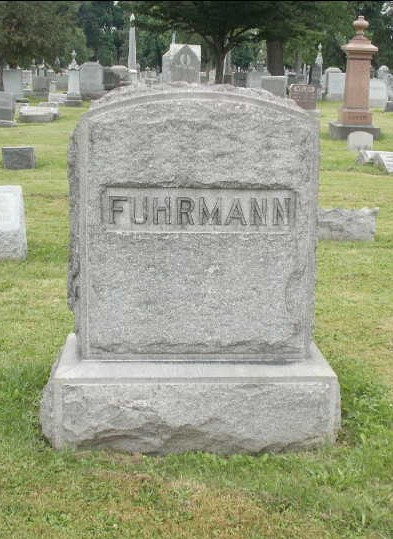
Louis Fuhrmann Gravestone, Forest Lawn Cemetery.

Louis Fuhrmann married Alice Meahl in 1900.   They had four children:  Frederick, Dorothea, Philip and Mary Alice.  The family lived at 438 North Oak Street for many years.  They later moved to Jewett Parkway.  Sadly, Mary Alice died from heart problems at just one year old, while Louis was Mayor.  Mayor Fuhrmann was a member of Concordia Lodge, F & A. M, the Buffalo Consistory, the Eagles, the Elks, the Oriels and other social lodges.  Louis Fuhrmann retired from Fuhrmann Packing House in 1927, with son Frederick taking over.

Louis P. Fuhrmann died in 1931 after two years of illness.  Mr. Fuhrmann was so prominent in the local Democratic party that it was published in the paper that all local Democratic leaders from across the county attended his funeral, along with other prominent people from Buffalo’s political, social and civic life.  His funeral was conducted by Reverend John D. Sayles, who had served as Mr. Fuhrmann’s secretary during the 8 years of his mayoral terms.  Rev. Sayles eulogized Mayor Fuhrmann by saying:

“Louis Fuhrmann was unique in his human qualities.  Everybody who knew him loved him because he himself was lovable.  Nobody ever appealed to him for help in vain.  The sick, the poor, the unlucky, the friendless, were blessed by his benefactions.  In early life he leaned that the coin of this realm cannot be legal tender in any other.  He made a fortune during his lifetime and without publicity gave more than half of it away.  Some may say that a man who does that is a fool.  If that be so, he was one of God’s fools and did not die – such fools never die unloved, unwept and unremembered.”

Mayor Fuhrmann is buried in Forest Lawn.

officials opening Fuhrmann

Opening of the Fuhrmann Blvd in 1935. From left: Edward C. Dethloff, Democratic Candidate for Council; Councilman George K Hambleton, sponsor of the boulevard and high-level bridge; Councilman Charles J. Hereth; Francis J. Downing, former ERB Executive Director and WPA Administrator; Martin P. Flemming, secretary to Mayor Zimmerman; and Democratic County Chair Frank J. Carr. Source: Buffalo Times.

Fuhrmann Boulevard opened from South Michigan Avenue to Ohio Street in August 1935.  It was built as an Emergency Relief Bureau project at a cost of $300,000 ($6.7 Million in today’s dollars).  Construction of the boulevard provided work for 1200 men for a year.  Opening this road was important for traffic along the lakeshore, as creation of the road helped traffic to avoid 2 lift bridges and 8 active at-grade railroad crossings.  During summer months at that time, traffic averaged about 20,000 cars a day.  The new Fuhrmann Drive was designed to connect to the proposed high-level bridge which was supposed to be built later that year (spoiler alert:  they had a ribbon cutting and drove the first pilings for the bridge in 1935, but the Skyway wasn’t finished until 1955).

In 1958, Governor Harriman announced an at-grade separation project to create what they referred to as the “Fuhrmann El”.  By creating this limited access highway route, they felt it would “open up the lake shore area to practically unlimited development”.  The elevated highway was considered to be an important piece of the chain of expressways from Niagara Falls to the South and West.  The elevated highway would connect the new Skyway (opened 1955) to the new Father Baker Bridge (over Union Ship Canal, built 1961), and the work that was being completed at the time in Athol Springs (the traffic circle by the Ford Plant).  The road was designed to help workers getting to their jobs at the industrial plants and to enhance the available industrial land along the route.  The road was designed by Elmer G. H. Youngmann, who was the District Engineer for NYSDOT and designed most of WNY Highways.  The Fuhrmann El route was 1.2 miles running from the Buffalo Skyway to just north of the Tifft Street interchange, which was where the approaches for the Father Baker Bridge were located.  The route was designed to be 4 lanes -two northbound, two southbound – and included a complete system of service roads for entrance and exit into the present or planned future plants along the right-of-way.  The original Fuhrmann Boulevard was reduced to just those service roads.  The expressway was 18 to 22 feet above the level of the service roads.  Because the road was so costly to build, instead of being built on an elevated steel structure, it was built on an earth embankment.

Fuhrmann El

Buffalo News sketch of the proposed Fuhrmann ‘El’ Elevated Highway.

fatherbaker-bukaty-4-sept1989_1200xx2644-1489-74-74

Demolition of Father Baker Bridge in 1989. Source: Buffalo Business First.

In 1989, the Fuhrmann Blvd area began to see another major change as the Father Baker Bridge over Union Ship Canal was demolished.  The bridge spanned 100 feet over the canal and helped to make the ride from Downtown Buffalo to Lackawanna feel like a roller coaster with the two high-level bridges.  The demolition of the bridge took two years and was the State’s most costly highway project being completed at the time.

fuhrmann boulevard

Modern View of Fuhrmann Boulevard running between the Outer Harbor and the Elevated Route 5 (on the right of image). Source: Step Out Buffalo

Beginning in the 1990s, there was renewed interest in the waterfront.  The Southtowns Connector Feasibility Study was completed in 1991.  It was included in the Horizons Waterfront Action Plan, prepared in 1992.  The plan would have moved the highway inland to the CSX tracks, opened up more of the Outer Harbor Land for development.  In 2001, the project was refocused based on comments received from agencies and the public.  The concern was that moving the highway would have unacceptable impacts on neighborhoods and the environment, as well as being too costly to be able to be completed in a reasonable amount of time.  So, the decision was made that the elevated Route 5 would remain.  The new plan became focused on changes to the existing road system rather than fully relocating the highway.  This helped to create a project that was actually able to be completed.  Fuhrmann Boulevard was improved and became more of an actual road once again, rather than just an intermittent service road which provided access to properties.  Multi-use trails were placed along the road, with signage celebrating the industrial heritage of the Outer Harbor.

If you’re wondering what happened to Fuhrmann’s Meatpacking business?  Son Frederick Fuhrmann took it over when Louis retired and it was ran by the Fuhrmann family until 1945 when it was purchased by Mr. Teplesky of Tog Packing.  They operated until 1980, when the business was sold to P Brennan Meat Wholesalers.  In 1999, an action was held to sell the equipment.  A building was still standing on the site until 2007, but it has since been demolished.  It is now a vacant lot.

Want to learn about other streets? Check out the Street Index. Don’t forget to subscribe to the page to be notified when new posts are made. You can do so by entering your email address in the box on the upper right-hand side of the home page. You can also follow the blog on facebook. If you enjoy the blog, please be sure to share it with your friends.  Interested in getting even more content from me?  You can become a Friend of Buffalo Streets on patreon.   You can go to https://www.patreon.com/buffalostreets/

Hope to see some of you on my upcoming tours this month!  For more info on tours, click here.

Sources:

  • “Louis P. Fuhrmann”. Buffalo Courier-Express. Feb 24, 1931, p5.
  • “Ex-Mayor Fuhrmann Dead” Buffalo Courier-Express. Feb 24, 1931,p1.
  • Mueller, Jacob.  Buffalo and Its German Community.  German-American Historical and Biographical Society.  1911-12.
  • “Mayor Fuhrmann Was Efficient Executive”.  Buffalo Times.  July 13, 1924.  P45.
  • “Winning the Sea Wall Strip for Buffalo”.  Buffalo Sunday News.  August 27, 1911, p 13.
  • “Parade Details are Settled for St. Patrick’s Day”.  Buffalo Courier.  March 14, 1915, p 74.
  • “Four Thousand in St. Patrick’s Day Parade Wednesday”.  Buffalo Times.  March 14, 1914, p43.
  • Gaelic Association to Parade on St. Pat’s Day”.  Feb 24, 1918, p45.
  • “20,000 Marches Enroll for parade St Patrick’s Day”.  Buffalo Times.  February 25, 1917, p17.
  • “St. Patrick’s Day Parade to Outshine All Affairs of its Kind In History”.  Buffalo Courier.  February 22, 1915, p6.
  • “In the Good Old Days:  St. Patrick’s Day in Years Long Past”.  Catholic Union and Times.  January 14, 1915, p5.
  • Burr, Kate.  “Old St. Patrick’s Day Parades.  Buffalo Times.  March 17, 1932.
  • “Great Legal Contest to Determine Ownership of Hamburg Turnpike”.  Buffalo Times.  October 12, 1902
  • “Beautify the Turnpike”  Buffalo Express.  June 8, 1902.
  • “Boulevard Change Ready for Opening”.  Buffalo Times.  August 22, 1935.
  • “Start of Work on Furhmann El Due in Early 59”.  Buffalo News.  August 6, 1958 p 29.
  • McCarthy, Robert.  “Closing Brings Bridge to Dead End Father Baker Span Was Monument to Industrial Might”.  Buffalo News.  August 22, 1989.
  • Whitford, Noble E.  “Slips and Other Adjuncts of the Erie Canal at Buffalo”. History of the Canal System of New York State.  Brandow Printing Company.  1906.
  • Adam, Thomas.  German and the Americas:  Culture, Politics and History.  ABC-CLIO.  2005.
  • “Sons of Old Erin Honor St. Patrick in Street Pageant”.  Buffalo Times.  March 17, 1917, p1.
  • “No Parade By Irish on South Side Today”.  Buffalo Times.  March 17, 1919, p7.
  • “Baby Daughter of Mayor Dead”  Buffalo Enquirer.  January 7, 1915, p6.
  • “Hundreds Pay Final Tribute to Fuhrmann”  Buffalo News.  February 27, 1931, p1.
  • Roseberry, Jack.  “Fair-ly Long Custom of Camp Aid Ends with His Retirement”.  Buffalo News.  August 13, 1980, p10.

Read Full Post »

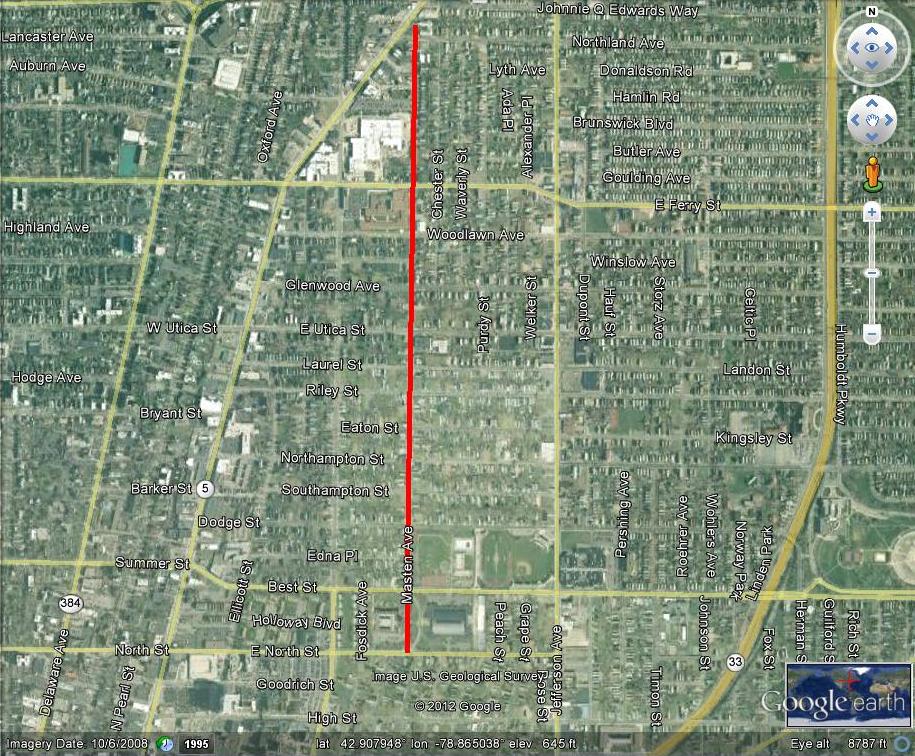
Masten Avenue runs north-south for about a mile on the East Side of Buffalo, between North and Ferry Streets.   The Masten Park neighborhood, Masten Avenue, Masten Park and the former Masten Park High School (currently City Honors), all get their name from former City of Buffalo Mayor Joseph Masten.

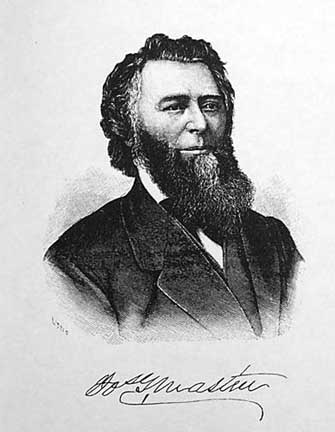
Joseph Griffiths Masten was born in 1809, in Red Hook, New York.  He came to Buffalo in 1836 after studying law.  He was elected Mayor in 1843.   While he was Mayor, he issued the law which says that owners/occupants of buildings and owners of vacant lots need to keep their sidewalks and gutters free of snow and dirt.  Blame him if you get a ticket for not shoveling your walk!

Buffalo was an exciting place to be while Masten was Mayor.  He was Mayor when Joseph Dart invented the grain elevator and expansion of the city resulted as the City began to become an important grain hub.  He was also Mayor during the founding of the University of Buffalo.  He and his wife, Christina, were the first owners of the Wilcox Mansion on Delaware Avenue.  At the time it was an army barracks and the Mastens converted it into a residence; today the mansion serves as the Theodore Roosevelt Inaugural Site.

After his time as Mayor, Masten served as a judge.  It is said that he went on long walks around his neighborhood, always stopping to talk to neighbors and people he met along the way.   He died in 1871 and is buried in Forest Lawn.  His tombstone reads:  “An upright judge, an eminent lawyer, a faithful public servant, an esteemed citizen, a true gentleman”.

Source:  “Masten Avenue Honors Memory of 1843 Mayor”. Courier Express, Dec 4, 1938 sec 7 p 4

Read Full Post »

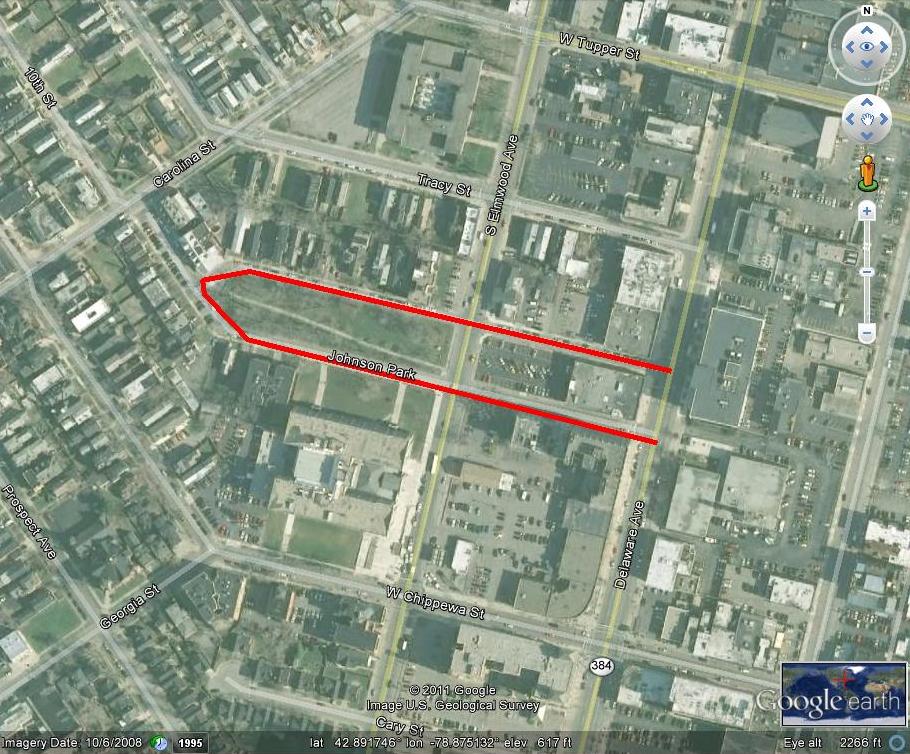
Johnson Park consists of two parallel streets that create a court between Delaware and a park that shares its name with the road.  The “park” in Johnson Park is named after the estate of Ebenezer Johnson, the City of Buffalo’s first mayor!

(more…)

Read Full Post »

Field Notes

Live from Buffalo, NY

Grants.gov Community Blog

Connecting the grant community to #LearnGrants

Dienna Howard

I create, therefore I am.

Hidden Waters blog

Companion blog for the book "Hidden Waters of NYC"

Hoping for a Tail Wind

Because I definitely brought way too much gear.

priorhouse blog

Photos, art, and a little bit of LIT.

Sheepie Niagara

Bleating the Beat Since 2015